
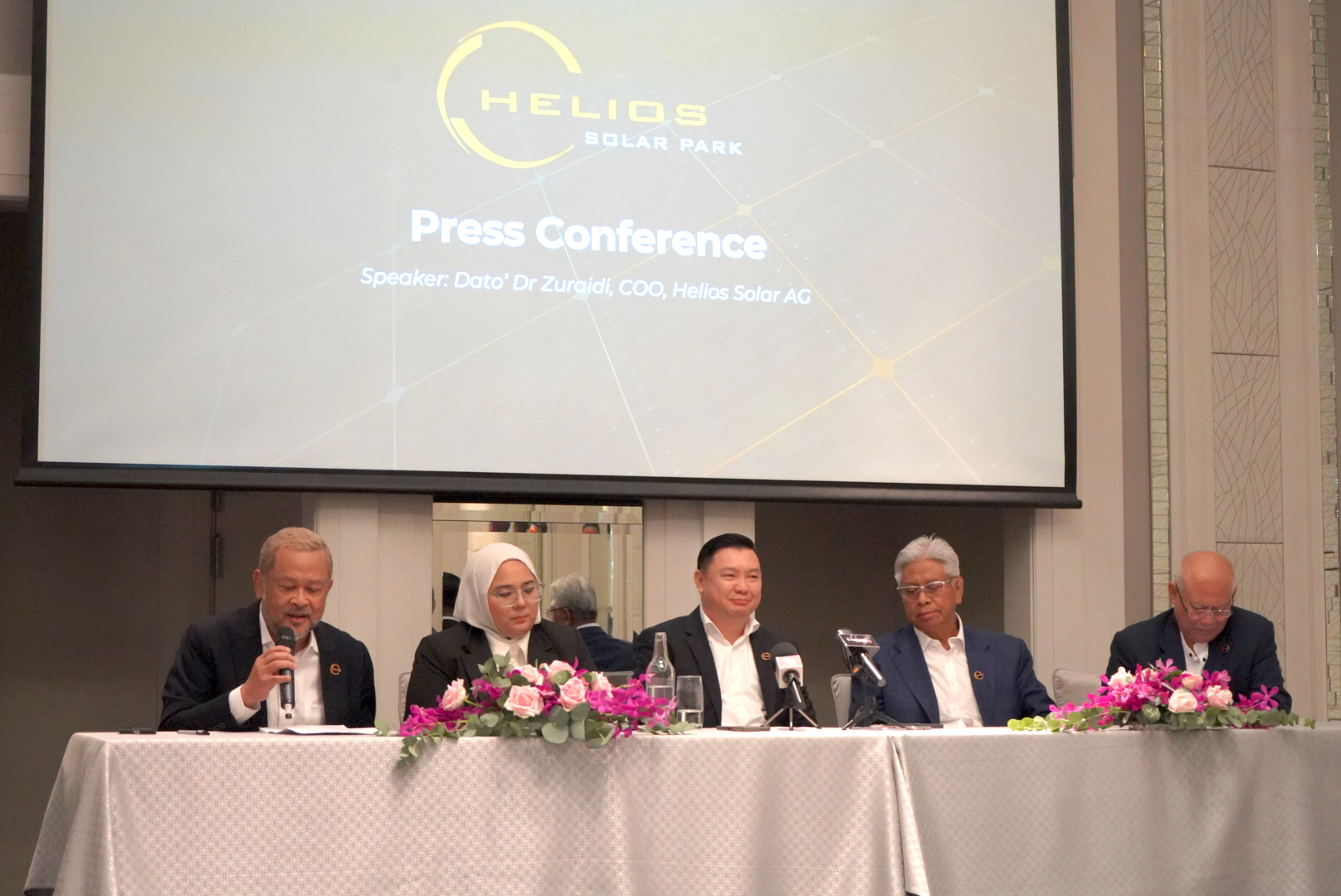
Helios Photovoltaic is exploring an ambitious clean energy development in Gua Musang, Kelantan, with a vision that extends beyond renewable power generation to encompass long-term environmental stewardship and sustainable land use.
Set within an approximately 10,000-acre landholding, the proposed Helios Solar Park represents an opportunity to explore how large-scale renewable energy infrastructure could be integrated into a broader landscape of conservation, ecological rehabilitation and nature-based tourism.
A Vision Beyond Solar Energy
“Every megawatt we deliver represents more than energy generated. It represents progress towards a more resilient and sustainable future” — Dato Dr Zuraidi Ishak, COO, Helios Solar AG
Of the total landholding, approximately 3,000 acres have been identified for the proposed development of a large-scale solar photovoltaic (PV) facility and Battery Energy Storage System (BESS). The remaining land is envisioned for potential complementary initiatives, including forest conservation, Malayan tiger rehabilitation and an eco-tourism resort.
Together, these concepts reflect a broader ambition to explore a development model that considers both energy needs and the environmental value of the surrounding landscape.
While renewable energy infrastructure would form the core of the proposed project, the wider conservation and destination vision presents an opportunity to assess how land stewardship, biodiversity protection and responsible tourism could contribute to a more holistic long-term development strategy.
These complementary initiatives remain at the conceptual stage. Helios is actively exploring potential partnerships and specialist consultancy support to assess their feasibility, identify appropriate approaches and determine the requirements for any future implementation.
Supporting Malaysia's Renewable Energy Transition
The proposed solar PV and BESS development is being evaluated with the intention of participating in Malaysia's Corporate Renewable Energy Supply Scheme (CRESS), subject to technical and commercial feasibility, grid availability and all applicable regulatory, land-related and other necessary approvals.
The integration of battery energy storage is intended to be assessed as part of the project's overall energy infrastructure, with its suitability and potential role to be determined through detailed technical studies and development planning.
As Malaysia continues to advance its renewable energy ambitions, projects of this nature require careful consideration of infrastructure readiness, energy delivery requirements, environmental factors and regulatory compliance. Helios Solar Park is being explored within this context, with further assessment required before the project can progress to subsequent development stages.
Exploring a Responsible Path Forward
The scale of the landholding presents an opportunity to examine different land-use possibilities within a single broader development vision. However, translating this vision into a viable project will require comprehensive assessments, appropriate specialist expertise and engagement with relevant stakeholders.
For Helios, the immediate priority is to evaluate the proposed solar and energy storage development while continuing to explore the feasibility of the wider conservation and eco-tourism concepts.
Any future implementation of these initiatives would depend on the findings of relevant studies, the identification of suitable partners and the securing of all necessary approvals.
Looking Ahead
Helios Solar Park remains at the pre-development stage. The project is currently being evaluated, and no final commitment has been made regarding the proposed conservation, wildlife rehabilitation or eco-tourism components.
As assessments progress, Helios aims to establish a clearer understanding of the project's technical, commercial, environmental and regulatory requirements, laying the groundwork for informed decisions on its potential next steps.
More than a proposed renewable energy development, Helios Solar Park offers an opportunity to explore how clean energy ambitions and responsible land stewardship may be considered together in the long-term development of Gua Musang.