A 1,000-megawatt solar farm. A wildlife conservation resort. A battery storage system large enough to power cities. And a RM5.5 billion price tag. Helios Photovoltaic has announced its most ambitious project yet — and unlike many megaproject announcements, this one comes with a regulatory framework, a commercial timeline, and a concept that has not been done before.
The Helios Solar Park was announced in April 2026 — a project that combines large-scale renewable energy generation with battery storage and eco-tourism under one roof, developed under Malaysia's Corporate Renewable Energy Supply Scheme (CRESS). It is being built in Kelantan across approximately 3,000 acres, and commercial operations are targeted for 2028 or 2029.
The Numbers Are Hard to Ignore
The project pairs 1,000 MWp of solar photovoltaic capacity with a 1,600 MWh battery energy storage system — one of the largest integrated solar-plus-storage developments in Southeast Asia. The entire resort and conservation infrastructure will run on 100 per cent clean energy generated on-site. At RM5.5 billion, it is also one of the largest single renewable energy investments ever announced by a Malaysian private company.
To put the scale in context: Malaysia's entire installed solar capacity took over a decade to cross 4,000 MW. A single project adding 1,000 MW at once represents a step-change in ambition — and in delivery expectation. Helios is betting that the regulatory environment under CRESS, combined with growing corporate demand for renewable energy, creates the conditions to make that scale viable.
The Zero Net Energy Lots Concept
What sets this project apart from a conventional utility-scale solar farm is Helios' proprietary Zero Net Energy Lots Concept. Rather than limiting participation to large corporations or governments, the model allows businesses and investors to participate at their own scale — entering from as low as 1 MW — without needing to build or manage the infrastructure themselves. Helios describes it as the first model of its kind in the world.
The concept is significant for several reasons. It democratises access to large-scale clean energy, allowing smaller companies to meet renewable energy targets or ESG commitments without the capital burden of owning infrastructure. It also creates a diversified investor base for the project, spreading risk and broadening the pool of potential off-takers.
"In today's environment, where electricity prices are increasingly volatile and global energy uncertainties continue to evolve, the need for stable, clean energy solutions has never been more critical."
— Datuk Seri Ibrahim Muhammad, Chairman, Helios Photovoltaic Sdn BhdWildlife Conservation at the Core
The project takes direct aim at one of Malaysia's most urgent environmental crises. The Malayan Tiger population has fallen to fewer than 150 individuals in the wild — a number that places the species in immediate danger of extinction. The Helios Solar Park development plans to incorporate wildlife habitat protection, anti-poaching measures, forest preservation, and ecological rehabilitation as structural components of the project — not peripheral add-ons.
The pairing of solar energy generation with wildlife conservation is deliberate. The project's large land footprint in Kelantan creates an opportunity to establish a protected zone that benefits endangered species while the solar infrastructure above generates clean power. It is an unusual combination — and precisely the kind of differentiated proposition that Helios believes will attract both domestic and international attention.
Timing and Strategic Context
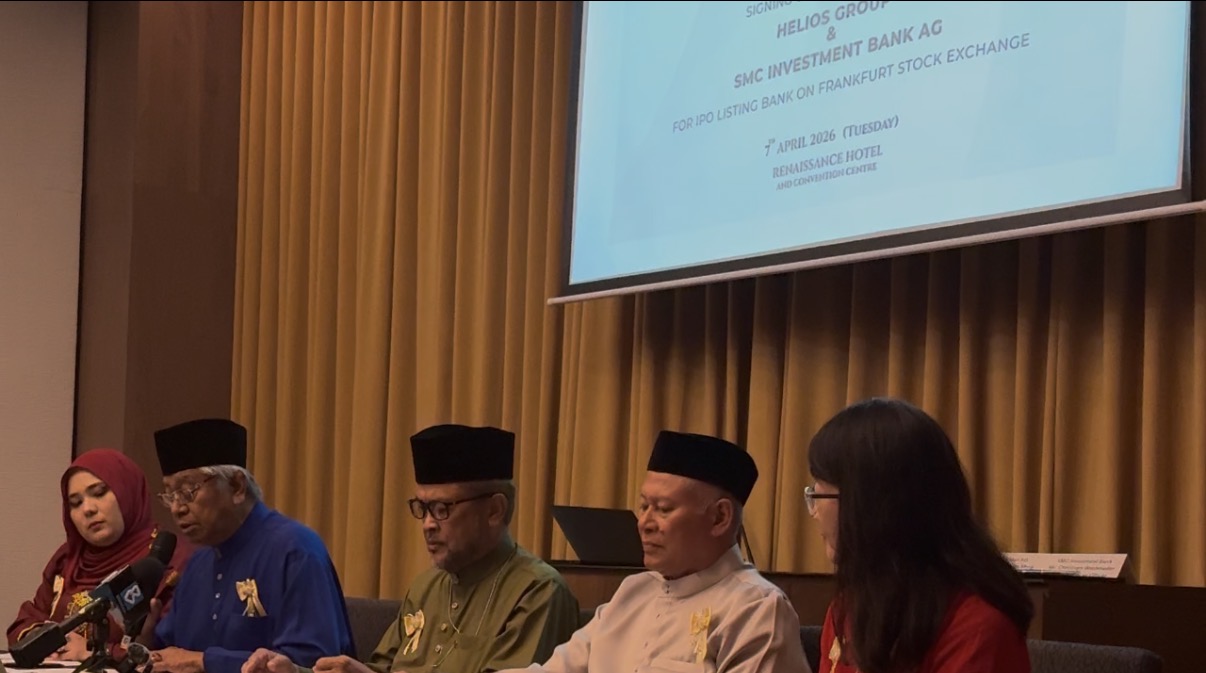
The announcement comes as Helios prepares for its Frankfurt Stock Exchange listing — and the scale of the Kelantan project is clearly intended to demonstrate to international investors the pipeline of opportunities that listing capital would support. A company that has delivered 200+ projects over 15 years announcing a 1,000 MW flagship development tells a coherent growth story. The question, as always with projects of this scale, is execution.
Commercial operations targeted for 2028 or 2029 give a credible but demanding timeline. CRESS provides the regulatory backbone. The Zero Net Energy Lots model provides the commercial structure. And the wildlife conservation dimension provides a differentiation that goes well beyond a standard solar farm announcement.